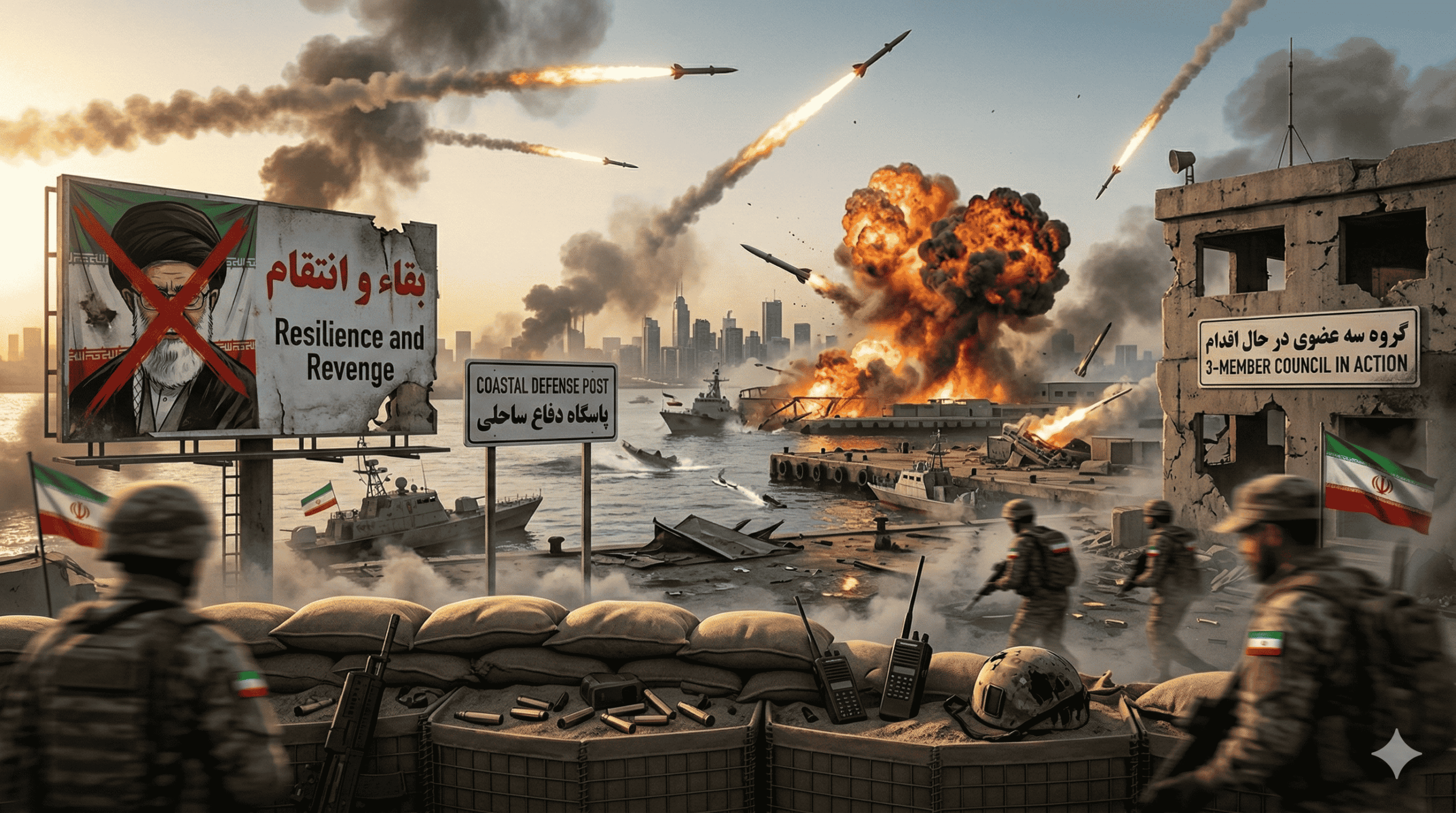
Iran Keeps Fighting After Brutal Killing of Its Supreme Leader
Iran Keeps Fighting After Brutal Killing In a massive joint military campaign, the United States and Israel struck deep into Iranian territo
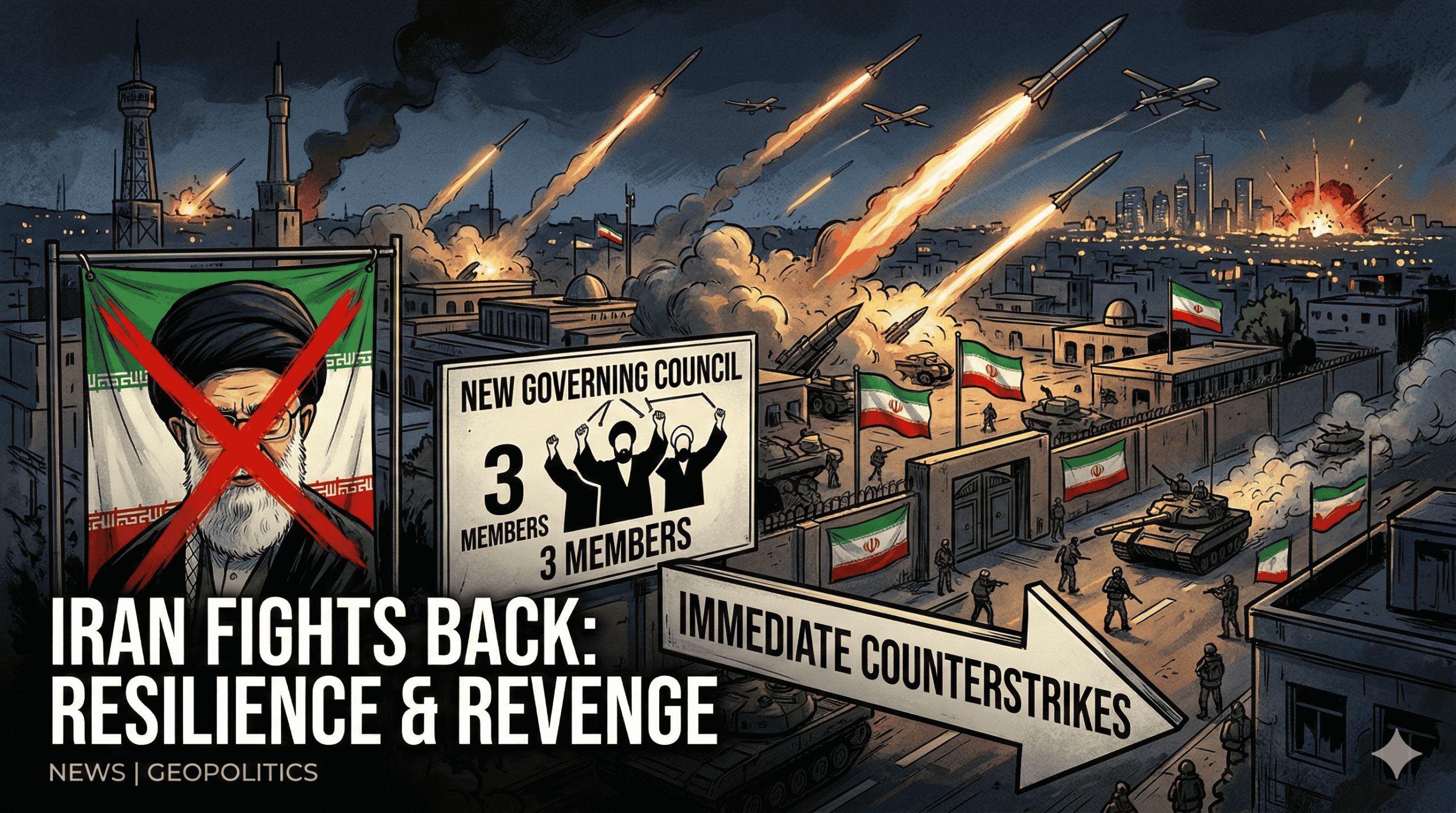
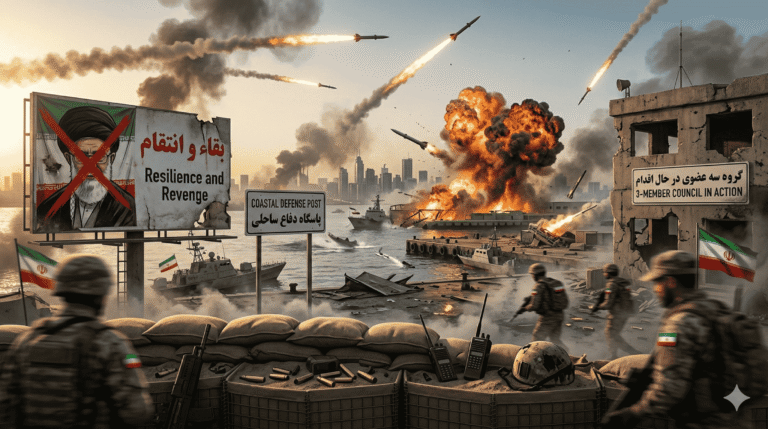
In a massive joint military campaign, the United States and Israel struck deep into Iranian territory. That assault included targeted strikes that killed Ayatollah Ali Khamenei, the country’s 46 year long-time highest authority and central figure of its theocratic system. Iranian state media and international outlets confirmed his death in the operation.
It was a defining moment and many predicted it would bring Iran to its knees. It hasn’t happened that way.Israel and US are trying their best to make changes in the regime of Iran but they haven’t succeed.
Instead of collapsing or falling silent, Iran has done two things at once:
Far from backing down, Tehran’s statements make it clear: it sees the killing as crossing a “red line,” and it views retaliation military and political as necessary
Khamenei’s death is shocking and it’s rare for a top world leader to be assassinated in such a dramatic way. But Iran isn’t a one-man state. Its power rests on deep institutions: the Revolutionary Guards, state bureaucracy, and conservative and religious establishments that have operated for decades.
Those institutions aren’t simply going to dissolve because one leader was killed. They’re mobilizing their forces and narratives to keep the system intact.
Two things are happening simultaneously:
A regional escalation.
This isn’t limited to Iran and Israel. Hezbollah in Lebanon, militias in Iraq, and tensions across the Gulf are flaring. Airspace disruptions, base strikes, and cross-border attacks highlight how the conflict is spreading.
A political battle for legitimacy.
Iran’s interim leadership is scrambling to maintain order. Within Tehran, government institutions are still operating. Public mourning has been declared. And officials openly vow revenge and resilience
Killing a supreme leader might change the dynamics of a war, but it doesn’t end Iran’s willingness to fight domestically or regionally. Instead, it adds fuel.
So long as Iran feels under siege, its military operations, missile exchanges, and alliances with proxy groups are likely to continue.
This isn’t the collapse of a regime. It’s a turning point in a far larger crisis, where Iran is showing that it intends to survive and to respond, even after a brutal blow that shocked the world.
As per the current conditions, we have witnessed that US want to talk but after the death of Khamenei, Iran government wants revenge and for that they are firing missiles on Dubai and surroundings on the US head quatres.
Iran’s military structure operates through multiple command layers. Strategic continuity is designed into the system, especially during crises.
Iran has constitutional and clerical mechanisms for interim authority and succession. Leadership transition processes activate immediately after a high-level loss.
Yes, the risk rises during moments like this. However, escalation depends on how other actors respond and whether diplomatic channels remain open.
Short-term instability is possible. But historically, external attacks often consolidate internal political unity rather than fracture it.
Absolutely. Even limited conflict in the Gulf region can impact shipping lanes and energy markets.
Iran Keeps Fighting After Brutal Killing In a massive joint military campaign, the United States and Israel struck deep into Iranian territo
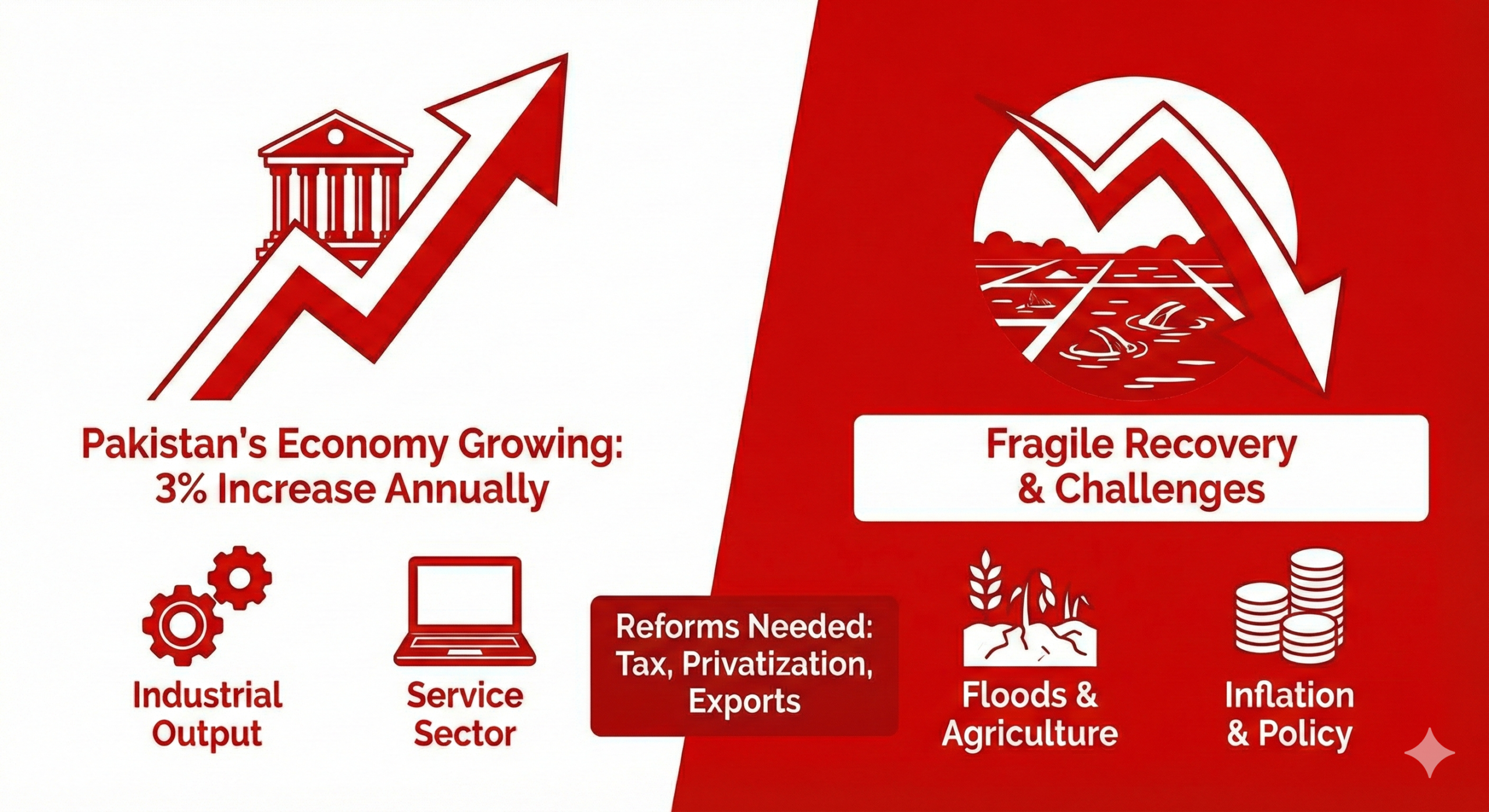
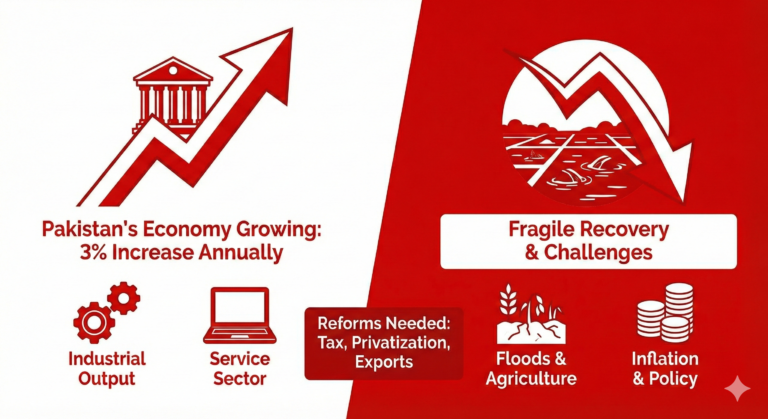
Pakistan’s Economy is Growing 3% increase annually The fiscal year that ended in June 2025 saw indications of a revival in Pakistan’
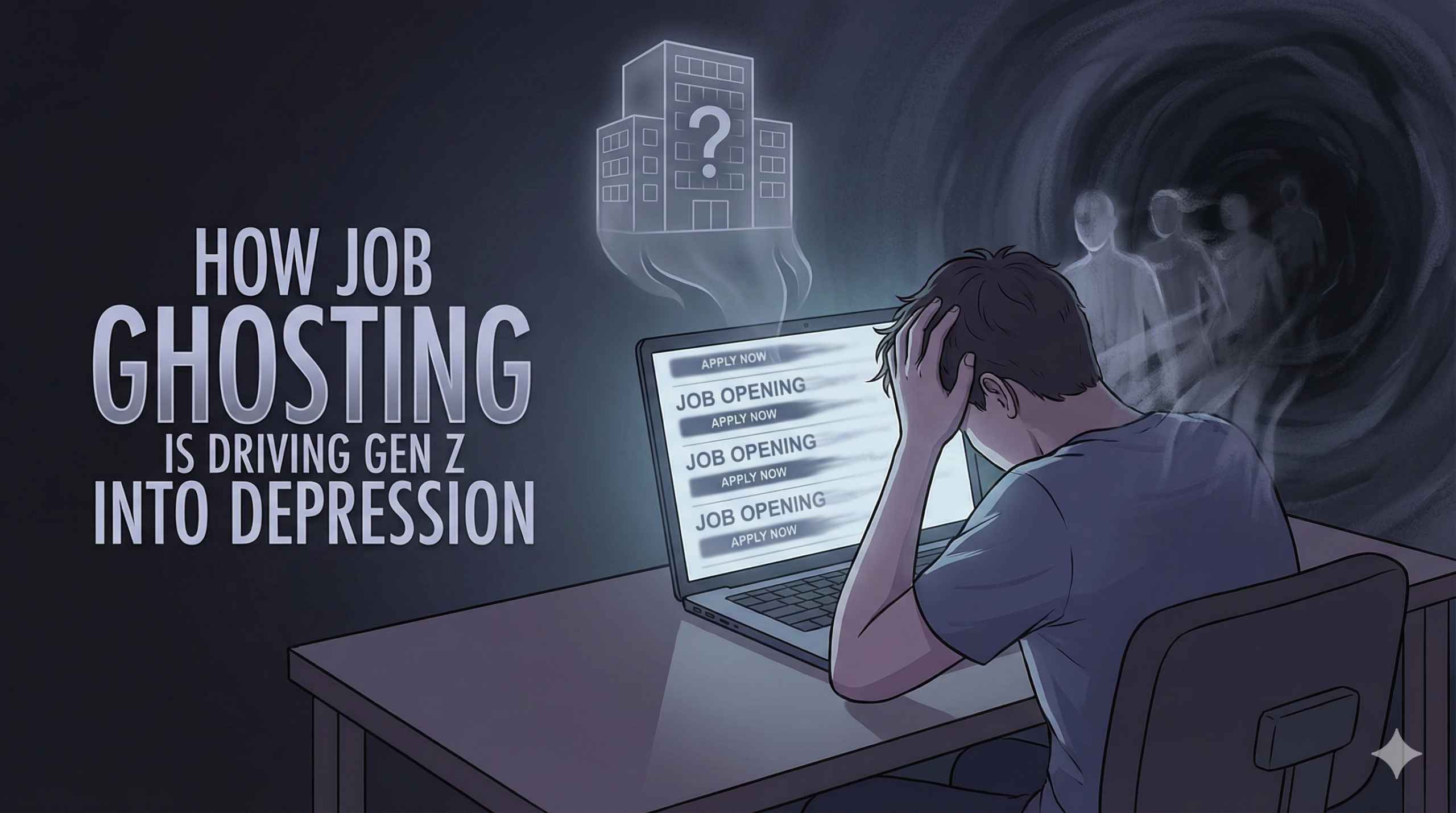
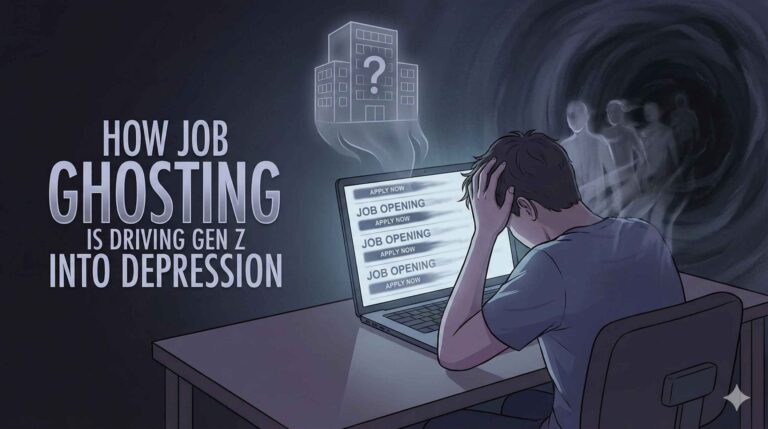
How job ghosting is driving gen-z into depression, Although it seems like something from Halloween, the term “ghost jobs” descri
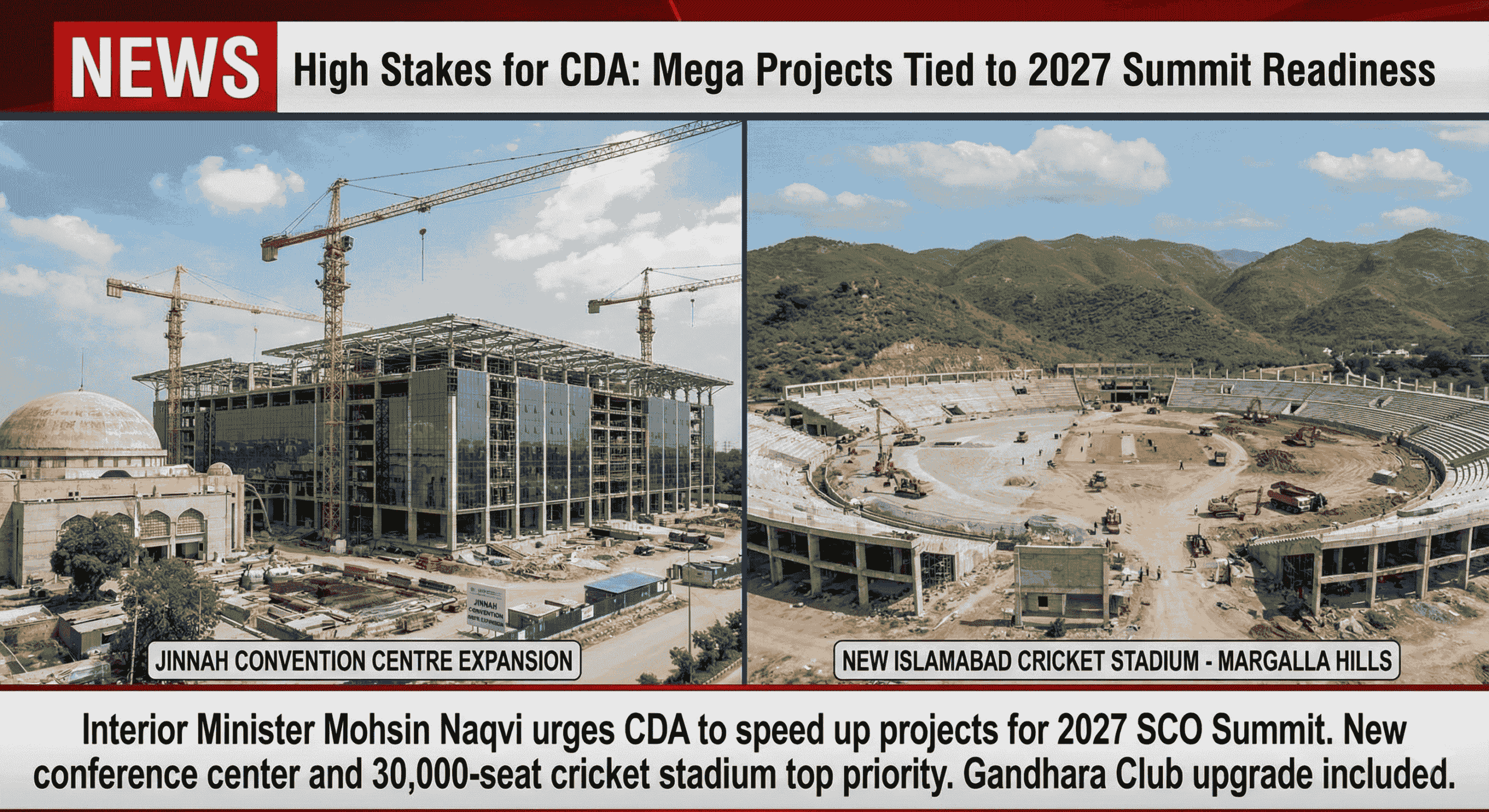
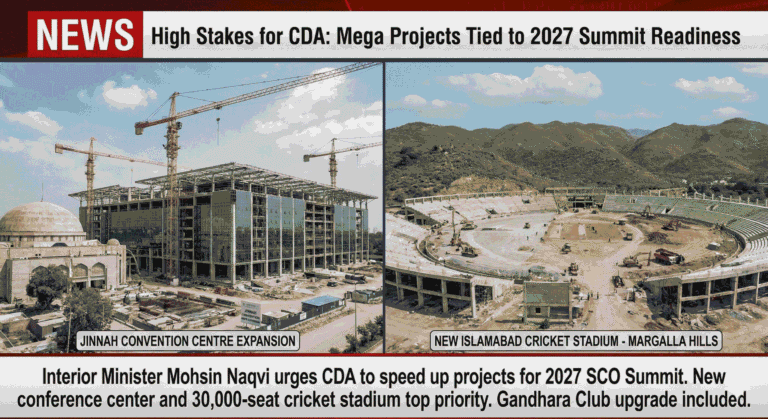
High Stakes for CDA Mega Projects Tied, As Islamabad’s development plans pick up speed, authorities ordered the CDA to construct massi

How world is evolving with new business strategies while business is changing everywhere, and Pakistan is right in the middle of that shift.

A simple 90-second children’s song changed everything. 90 Seconds clip earns $400 million, Baby Shark explores how an unexpected viral vid

Real Estate Market Outlook 2025 Impact of Real Estate on Climate is becoming impossible to ignore. If you’ve been watching the real estate
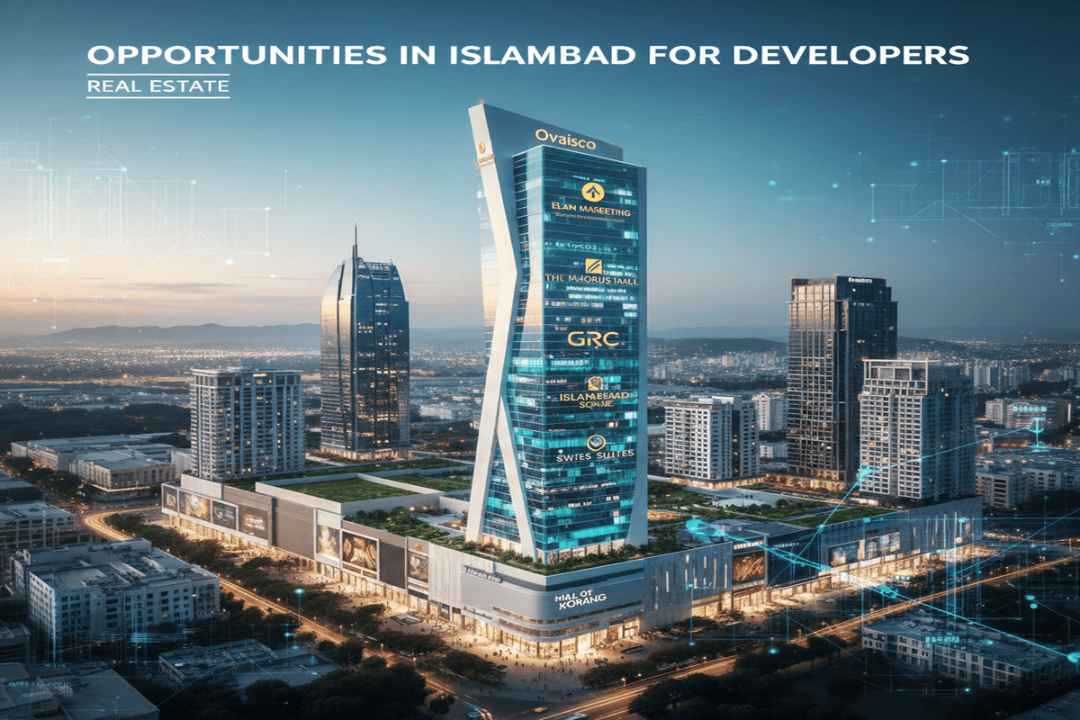
Opportunities in Islamabad for developers as Islamabad's real estate market is on the rise.
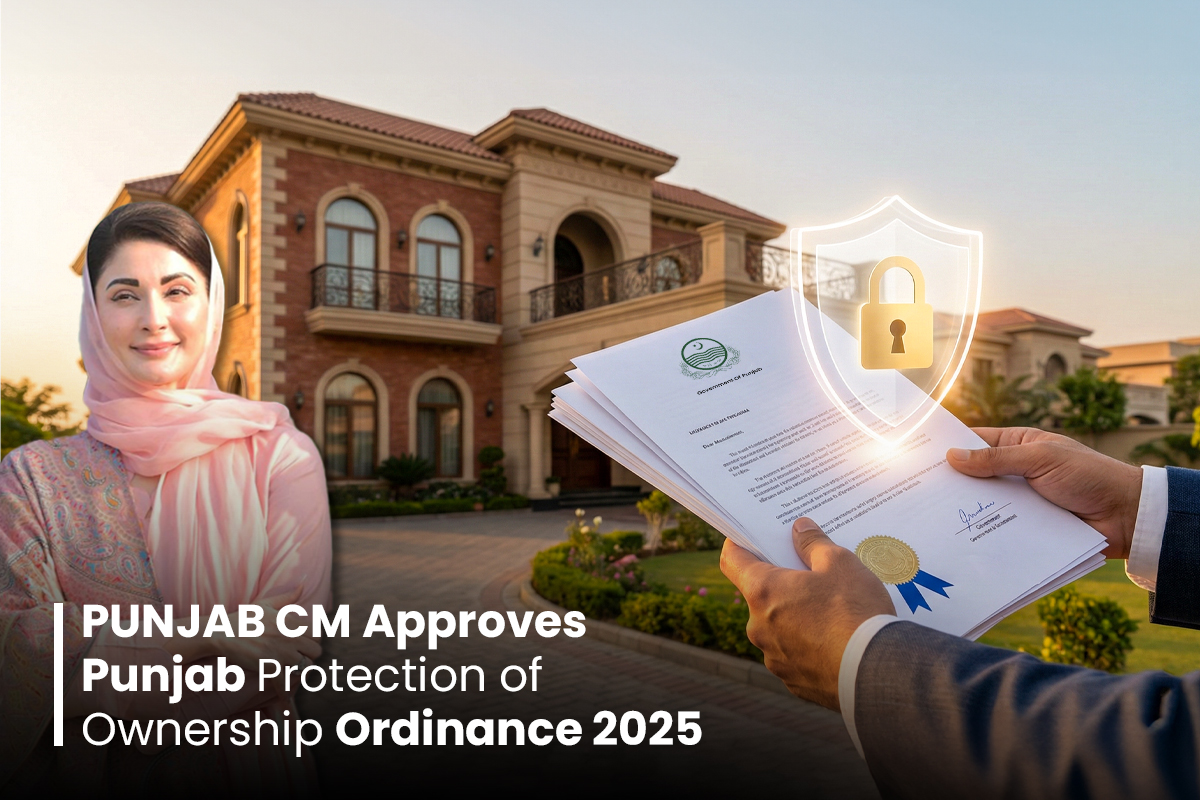
What does this ordinance mean? Punjab CM Approves Punjab Protection of Ownership Ordinance 2025, a new law designed to protect citizens’ p