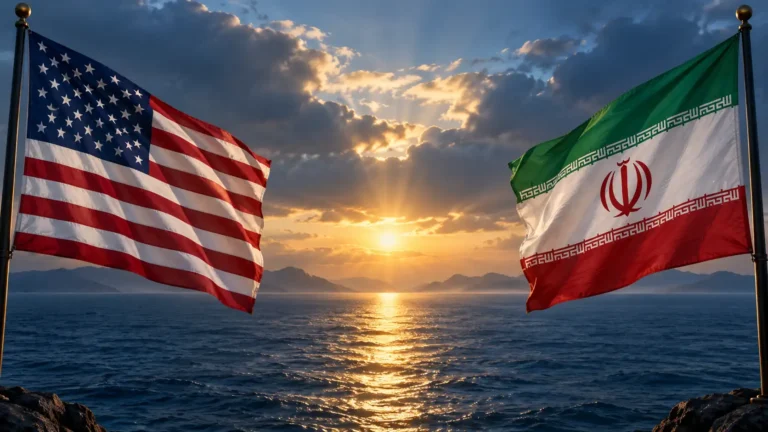
In the volatile realm of international relations, hope often wavers between aspirations and reality. Recent statements from President Trump signal optimism that a peace deal with Iran may be on the horizon. This comes at a time when diplomatic efforts could fundamentally shift the geopolitical landscape of the Middle East. Trump’s steadfast belief in the possibility of a resolution invites both critical analysis and cautious optimism.
The Iranian government’s firm stance, asserting the war will only cease on its terms, adds complexity to the negotiation process. Iran’s position underscores the importance of sovereignty and national pride in these discussions. This unwavering perspective might seem like an impasse at first glance, but it also sets a clear framework within which diplomatic dialogues can unfold. The challenge lies in finding common ground that respects Iran’s fundamental concerns while addressing broader security issues.
President Trump’s optimistic outlook could serve as a catalyst for renewed diplomatic efforts. By focusing on building an agreement that aligns with the interests of both nations, negotiators have an opportunity to transform decades of hostility into a constructive partnership. This optimism, however, must be tempered with a realistic assessment of the complex dynamics at play, including regional alliances, historical grievances, and domestic political pressures on both sides.
In a landscape often dominated by conflict, the potential for a peaceful resolution speaks to the power of diplomacy. Through strategic dialogue and mutual respect, the prospect of a comprehensive peace agreement becomes more tangible. Engaging in open communication channels can alleviate tensions, foster understanding, and ultimately lead to a sustainable peace. It requires patience, creativity, and a willingness to engage in difficult conversations.
The path to peace with Iran is fraught with challenges, but the current administration’s optimism provides a window of opportunity. By translating hopeful rhetoric into concrete action, there’s potential to redefine U.S.-Iran relations for the better. The journey will inevitably be complex, requiring careful navigation of both nations’ core interests. Ultimately, a successful agreement could chart a new course for peace and stability in the region, benefiting global security in immeasurable ways.