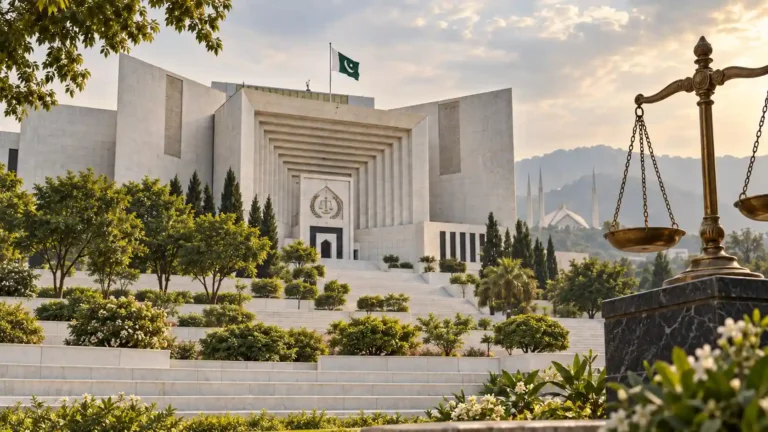
The U.S. Supreme Court is currently scrutinizing a key policy from the Trump administration that could significantly impact the asylum-seeking process at the U.S.-Mexico border. This policy, if upheld, would limit the ability of individuals on the Mexican side to have their asylum claims processed within the U.S. Observers noted that the justices’ questions seemed to indicate a possible leaning towards favoring the policy, which emphasizes tighter control over border entry procedures.
The policy under review stipulates that asylum seekers must remain in Mexico until their claims can be assessed in U.S. courts. Originally implemented as part of a broader strategy to deter illegal immigration, the policy has faced staunch opposition and legal challenges from immigration advocates. Critics argue that forcing claimants to stay in potentially dangerous conditions across the border puts them at undue risk and undermines international asylum agreements.
Supporters of the policy stress the importance of maintaining order at the border and preventing a potential influx of asylum claims that could overwhelm the U.S. immigration system. They argue that maintaining a controlled process is crucial to national security and helps to ensure that claims are legitimate. The delicate balance between upholding human rights and securing the nation’s borders is at the heart of this issue.
The discussions during the Supreme Court hearing highlighted the complexity of immigration challenges facing the U.S. Do the benefits of national security outweigh the risks posed to vulnerable individuals at the border? While it’s evident that both sides present compelling arguments, the justices must also consider the ramifications of their decision on international perceptions of the U.S. asylum system.
As the Supreme Court moves towards a decision, the outcome could set a significant precedent for future immigration policy. Whichever way the ruling goes, it will undeniably influence the broader conversation around asylum and border security. Balancing compassion with control remains a cornerstone challenge for the nation, and the decision will likely echo through political and humanitarian spheres alike.